vvvv
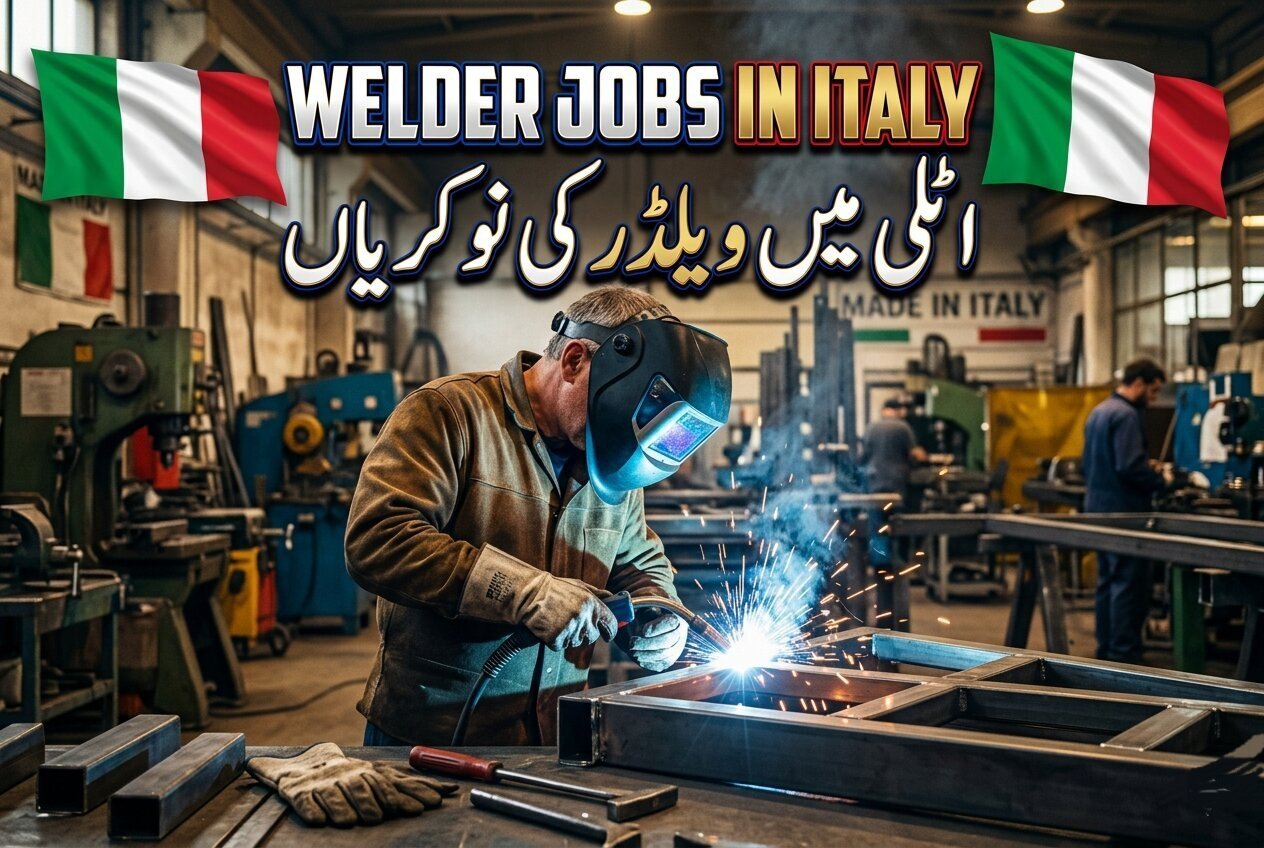
Welder Jobs in Italy 2026
Italy is becoming one of the most attractive destinations in Europe for skilled trade workers, especially welders. The country has a strong industrial and manufacturing sector, with continuous demand for skilled professionals in construction, automotive production, shipbuilding, metal fabrication, and heavy machinery industries.
For international workers, welder jobs in Italy offer a chance to earn a stable income, gain European work experience, and potentially build a long-term career in the European Union. Many Italian companies are actively searching for experienced MIG, TIG, ARC, and pipe welders due to labor shortages in technical trades.
This guide explains everything you need to know about welder jobs in Italy, including salaries, visa requirements, qualifications, job types, and how to apply successfully.
Why Welder Jobs in Italy Are a Good Opportunity
Italy has a large industrial economy and is home to thousands of factories, engineering firms, shipyards, and manufacturing companies. Skilled welders are needed in both small workshops and large industrial projects.
Main Benefits of Working as a Welder in Italy
- High demand for skilled workers
- Opportunity to work in Europe legally
- Competitive salaries with overtime options
- Long-term employment opportunities
- Possibility of residence permit renewal
- Access to Italian healthcare and worker protections
- Experience with modern welding technologies
Many companies also provide:
- Accommodation assistance
- Paid overtime
- Health insurance
- Work contracts
- Training opportunities
Industrial regions such as Lombardy, Veneto, Emilia-Romagna, Turin, and Milan usually have the highest number of welding vacancies.
Types of Welder Jobs Available in Italy
Different industries require different welding skills. Your salary and job opportunities depend on your experience, certifications, and welding specialization.
Common Welding Positions
| Job Role | Main Responsibilities | Estimated Monthly Salary |
|---|---|---|
| MIG Welder | Metal fabrication and manufacturing | €1,300 – €2,000 |
| TIG Welder | Precision welding for pipes and stainless steel | €1,500 – €2,500 |
| ARC Welder | Heavy metal and construction welding | €1,400 – €2,200 |
| Pipe Welder | Industrial pipe systems and oil plants | €1,800 – €3,000 |
| Structural Welder | Steel structures and buildings | €1,500 – €2,400 |
| Shipyard Welder | Marine and shipbuilding projects | €1,700 – €3,200 |
| Underwater Welder | Specialized marine welding | €3,000+ |
| Welding Inspector | Quality and safety inspections | €2,000 – €3,500 |
Salary depends on:
- Experience level
- City or region
- Company size
- Certifications
- Overtime availability
Average welder salaries in Italy generally range between €13,000 and €21,000 annually for standard positions, while specialized welders can earn significantly more.
Industries Hiring Welders in Italy
Several industries regularly hire welders in Italy.
Top Industries
1. Manufacturing Industry
Factories producing machinery, industrial equipment, and metal products require skilled welders year-round.
2. Automotive Sector
Italy has a strong automotive manufacturing industry where welding skills are highly valued.
3. Construction Sector
Large infrastructure and commercial building projects create demand for structural welders.
4. Shipbuilding Industry
Italian ports and marine companies hire welders for ship repair and construction.
5. Oil and Gas Projects
Pipe welders and TIG welders are often needed for industrial pipeline work.
Skills Required for Welder Jobs in Italy
Employers prefer candidates with technical knowledge and practical welding experience.
Important Skills
- MIG/MAG welding
- TIG welding
- ARC welding
- Blueprint reading
- Metal cutting and grinding
- Safety procedures
- Measuring and fabrication skills
- Attention to detail
- Physical fitness
Knowledge of Italian language basics can improve your chances of getting hired, although some international companies also accept English-speaking workers.
Welding and quality control are among the most requested technical skills in Italian job postings.
Eligibility Criteria for Foreign Workers
To work legally in Italy as a welder, applicants usually need the following:
Basic Requirements
- Minimum age of 18 years
- Relevant welding experience
- Technical certification or diploma
- Valid passport
- Medical fitness certificate
- Clean criminal background
Preferred Qualifications
- International welding certifications
- Previous overseas experience
- English or Italian language skills
- Knowledge of industrial safety standards
Common welding certifications include:
- AWS Certification
- ISO Welding Certificates
- TIG/MIG Qualification Certificates
- Pipe Welding Certifications
Visa Requirements for Welder Jobs in Italy
Non-EU workers generally need a work visa and residence permit to work in Italy.
Main Visa Process
Step 1: Receive a Job Offer
You must first secure employment from an Italian employer.
Step 2: Employer Applies for Work Authorization
The employer submits an application for authorization to hire a foreign worker.
Step 3: Apply for Work Visa
After approval, you apply for an Italian work visa at the Italian embassy in your country.
Step 4: Travel to Italy
Once your visa is approved, you can travel to Italy and begin work.
Step 5: Obtain Residence Permit
After arriving in Italy, you must apply for a residence permit.
Documents Required for Italy Work Visa
You may need the following documents:
- Valid passport
- Passport-size photographs
- Signed employment contract
- Educational certificates
- Welding certifications
- Work experience letters
- Police clearance certificate
- Medical certificate
- Visa application form
- Proof of accommodation
Requirements may vary depending on nationality and employer.
How to Apply for Welder Jobs in Italy
Finding a welder job in Italy is easier when you follow a proper application process.
Step-by-Step Application Guide
Step 1: Prepare a Professional CV
Your resume should include:
- Welding experience
- Certifications
- Technical skills
- Languages spoken
- Previous employers
Use a clean European-style CV format.
Step 2: Search for Jobs Online
Here are trusted websites where welding jobs are regularly posted:
- Indeed Italy
- LinkedIn Jobs
- EURES European Job Portal
- Glassdoor Italy Jobs
- InfoJobs Italy
- Subito Lavoro
You can search using keywords such as:
- “Welder jobs in Italy”
- “TIG welder Italy”
- “MIG welding jobs Italy”
- “Pipe welder vacancies Italy”
Step 3: Apply Directly to Companies
Many Italian manufacturing companies post jobs on their official websites. You can also apply directly through company career pages.
Step 4: Attend Online Interview
Employers may ask questions about:
- Welding techniques
- Previous experience
- Safety standards
- Availability for relocation
Some companies may request a welding test.
Step 5: Receive Job Offer and Begin Visa Process
After selection, the company usually helps initiate the work permit process.
Best Cities in Italy for Welder Jobs
Certain regions have stronger industrial activity and more job openings.
Top Cities for Welders
| City | Main Industries |
|---|---|
| Milan | Manufacturing & Engineering |
| Turin | Automotive Industry |
| Venice | Shipbuilding |
| Bologna | Industrial Machinery |
| Genoa | Marine & Port Work |
| Brescia | Steel & Metal Production |
Northern Italy generally has the highest demand for industrial workers.
Working Conditions in Italy
Italian labor laws protect workers and regulate working hours and benefits.
Typical Work Conditions
- 8-hour work shifts
- Paid overtime
- Annual leave
- Workplace safety protections
- Health insurance coverage
- Paid public holidays
Many welders work additional overtime hours to increase earnings.
Challenges Foreign Welders May Face
Although there are opportunities, foreign workers may experience some challenges.
Common Challenges
- Italian language barrier
- Visa processing delays
- High competition for sponsored jobs
- Certification recognition
- Regional salary differences
Learning basic Italian can significantly improve employment chances and workplace communication.
Tips to Increase Your Chances of Getting Hired
Helpful Tips
- Gain TIG and MIG welding certifications
- Learn basic Italian phrases
- Build a strong CV
- Apply to multiple companies
- Mention international experience
- Prepare for welding skill tests
- Obtain safety training certificates
Specialized welders often receive better salaries and more stable contracts.
Frequently Asked Questions (FAQ)
1. Are welders in demand in Italy?
Yes. Italy has continuous demand for skilled welders in manufacturing, shipbuilding, automotive, and construction industries.
2. What is the average welder salary in Italy?
Most welders earn between €1,300 and €2,500 per month depending on experience and specialization. Specialized pipe welders may earn even more.
3. Can foreigners apply for welder jobs in Italy?
Yes. Non-EU citizens can apply if they receive a valid job offer and obtain a work visa.
4. Is Italian language required?
Not always, but basic Italian language skills are highly recommended and improve job opportunities.
5. Which welding skill is most in demand?
TIG welding, pipe welding, and industrial MIG welding are among the most valuable skills.
6. How long does the Italy work visa process take?
The process may take several weeks to a few months depending on approvals and embassy processing times.
Conclusion
Welder jobs in Italy provide excellent opportunities for skilled workers looking to build an international career. With strong demand across manufacturing, construction, automotive, and shipbuilding industries, experienced welders can find stable employment and competitive salaries.
Foreign workers with welding certifications, practical experience, and a willingness to learn Italian have a strong chance of securing employment in Italy. By preparing a professional CV, applying through trusted job portals, and following the visa process carefully, you can successfully start your welding career in Europe.
If you have welding skills and international work ambitions, now is a great time to explore welder job opportunities in Italy and apply for positions that match your experience and qualifications.