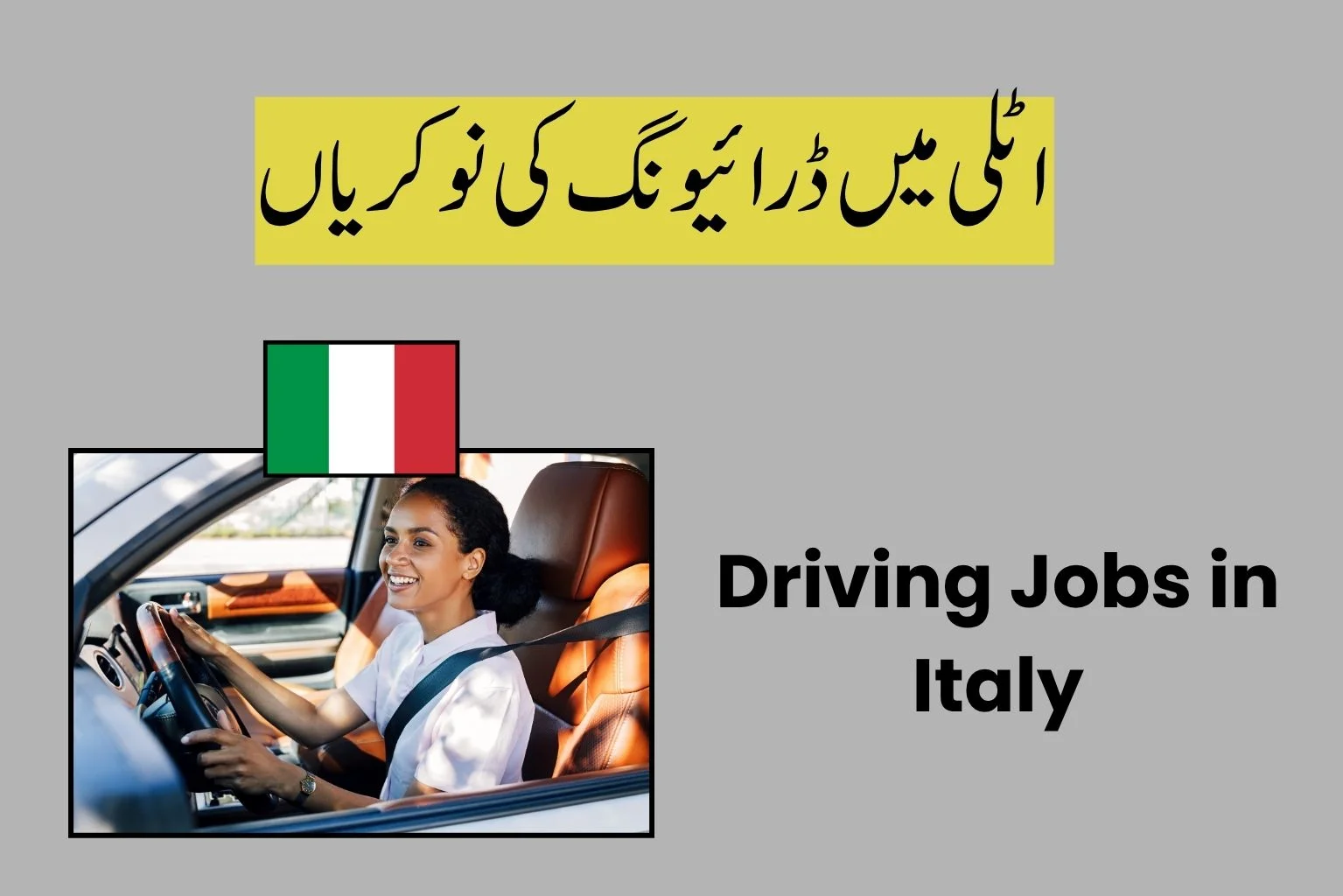
Italy has a large transport, logistics, tourism, delivery, and public transportation industry, creating regular opportunities for professional drivers. From truck and delivery drivers to bus, van, chauffeur, and courier positions, driving jobs in Italy can be an attractive option for both local workers and qualified foreign applicants.
Demand is especially noticeable in logistics and commercial transport. Current job listings show hundreds of vacancies for drivers holding Category B, C, CE, D, and professional CQC qualifications. LinkedIn alone currently lists more than 1,000 driver vacancies across Italy, including delivery, truck, passenger transport, and commercial driving positions.
For non-EU applicants, getting a driving job in Italy requires more than simply having driving experience. Candidates normally need an employer willing to hire them, the appropriate driving licence and professional qualifications, and authorization to work under Italy’s immigration system.
This guide explains the main driving jobs available in Italy in 2026, expected salaries, eligibility requirements, documents, licences, visa procedures, and how to apply.
Why Consider Driving Jobs in Italy?
Driving can be a practical career choice in Italy because transportation is essential to almost every part of the economy. Manufacturing companies need goods transported between factories and warehouses, supermarkets require deliveries, online shopping creates demand for couriers, while cities and tourism businesses need passenger drivers.
Professional driving also gives workers several career options. A person may begin with local delivery work and later obtain additional licences to qualify for truck, coach, or specialised transport jobs.
Some important advantages include:
- Opportunities in logistics, transport, tourism, courier and public transportation companies
- Full-time and contract positions
- Potential overtime and travel allowances
- Opportunities for experienced truck and heavy-vehicle drivers
- Possibility of progressing into specialised transport or fleet operations
- Vacancies in major cities and industrial regions
- Employment opportunities for qualified foreign workers where immigration requirements are satisfied
Professional qualifications can significantly improve job prospects. Drivers with Category C/CE licences, CQC certification, tachograph knowledge, or ADR dangerous-goods qualifications can qualify for more specialised positions.
Types of Driving Jobs Available in Italy
1. Truck Driver
Truck drivers are among the most important workers in Italy’s logistics sector. They transport commercial goods between warehouses, factories, distribution centres, ports and retail locations.
Typical requirements include:
- Category C or CE driving licence
- CQC Merci qualification for professional commercial goods transport
- Clean driving record
- Ability to operate heavy commercial vehicles
- Knowledge of tachograph and working-time rules
Current job data indicate a median truck-driver salary of around €26,120 gross per year, although earnings vary considerably by experience, route and employer.
Long-distance and international drivers may earn additional allowances for travel, overnight stays and extended routes.
2. Delivery Driver
Delivery drivers normally operate vans or smaller commercial vehicles and deliver parcels, groceries, food, equipment or company products.
Many standard delivery positions require a Category B licence, although larger vehicles may require higher categories.
Estimated pay commonly falls around:
€1,300–€2,000+ per month, depending on working hours, location, employer and experience.
Indeed’s September 2026 data reported an average base salary of approximately €1,389 per month for drivers in Italy, while individual advertisements may offer considerably different amounts.
Delivery jobs can be suitable for applicants who do not yet hold a heavy-vehicle licence.
3. Bus Driver
Bus drivers can work for municipal transportation companies, private coach companies, schools, tourism businesses and long-distance passenger operators.
Professional bus driving generally requires:
- Category D or DE licence
- CQC Persone qualification
- Medical fitness
- Passenger safety knowledge
- Good communication skills
Indeed reported an average bus-driver salary of approximately €1,912 per month in Italy as of September 2026, with advertised salaries varying according to experience, location and company.
4. Van Driver
Van drivers transport packages, food, supplies, laundry, furniture, medical items and other goods.
A Category B licence is sufficient for many light-van jobs. These roles are common with:
- Courier companies
- Warehouses
- Restaurants
- Hotels
- Retail businesses
- Logistics companies
Typical salaries may range from approximately €1,300 to €1,900 per month, depending on duties and location.
5. Courier Driver
Courier drivers usually handle parcel collection and last-mile deliveries. Duties may include loading parcels, scanning shipments, following delivery routes and obtaining customer signatures.
Large logistics companies and subcontractors frequently recruit courier drivers in major cities such as Milan, Rome, Bologna, Turin and Florence.
6. Chauffeur / Private Driver
Hotels, tourism companies, corporations and private clients sometimes recruit chauffeurs and executive drivers.
Candidates may need:
- Category B licence
- Several years of driving experience
- Excellent driving record
- Professional appearance
- Italian and/or English communication skills
Passenger services such as taxi and NCC—noleggio con conducente, or hire car with driver—may require additional professional authorization rather than only a normal driving licence.
7. Waste Collection or Municipal Vehicle Driver
Waste-management companies and municipal contractors employ drivers for refuse trucks, street-cleaning vehicles and related equipment.
These positions commonly require Category C and sometimes CQC qualifications.
8. Specialised or ADR Driver
Drivers transporting fuel, chemicals or other dangerous goods can require ADR professional certification in addition to the correct vehicle licence and CQC.
Specialised qualifications may improve earning potential because fewer applicants meet the necessary safety and licensing requirements.
Driving Jobs in Italy – Estimated Salary Table
| Job Position | Estimated Gross Salary |
|---|---|
| Delivery/Van Driver | €1,300–€2,000+ per month |
| Courier Driver | €1,300–€2,000+ per month |
| Truck Driver | Around €1,600–€2,500+ per month |
| Bus Driver | Around €1,400–€2,500+ per month |
| Chauffeur/Private Driver | €1,400–€2,500+ per month |
| Heavy Truck/CE Driver | €1,800–€2,800+ per month |
| International Truck Driver | €2,000–€3,000+ including possible allowances |
| ADR/Specialised Driver | €2,000–€3,000+ depending on duties |
These figures are estimates rather than guaranteed salaries. Location, collective agreements, overtime, experience, qualification level and allowances can materially change total earnings.
For example, current market data place the median Italian truck-driver salary at roughly €26,120 gross annually, while Indeed reported an average bus-driver salary of €1,912 monthly in September 2026.
Driving Licence Requirements in Italy
The type of licence required depends on the vehicle.
| Licence | Common Use |
|---|---|
| B | Cars and many light vans |
| C1 | Medium commercial vehicles |
| C | Heavy trucks |
| CE | Heavy trucks with trailers/semitrailers |
| D | Buses |
| DE | Buses with trailers |
| CQC Merci | Professional commercial goods transport |
| CQC Persone | Professional passenger transport |
| ADR | Certain dangerous-goods transport |
Italy’s Ministry of Infrastructure and Transport states that professional drivers of vehicles requiring categories C1, C, C1E, CE, D1, D, D1E or DE generally need the Carta di Qualificazione del Conducente (CQC) when driving professionally. CQC is obtained through professional training and an examination and is periodically renewed.
Can Foreign Driving Licences Be Used in Italy?
EU and EEA licences are generally recognized under European rules.
For a licence issued outside the EU/EEA, the situation is different. Italy’s Ministry of Infrastructure and Transport states that a person holding a valid non-EU/EEA licence can generally drive for up to one year after establishing residence in Italy, provided the foreign licence is accompanied by an international driving permit or an official Italian translation where required.
After that period, the licence must normally be converted to an Italian licence if Italy has a reciprocal conversion agreement with the issuing country.
If no conversion agreement exists, the person generally has to obtain an Italian driving licence by passing the required examinations.
Foreign applicants should therefore check their country’s current conversion status directly with the Italian Ministry of Infrastructure and Transport before accepting a driving position.
Check Italian driving licence conversion rules
Eligibility Criteria for Driving Jobs in Italy
Exact requirements differ between employers, but candidates commonly need:
- Minimum legal age for the relevant licence category
- Valid driving licence
- Relevant professional licence category
- CQC for qualifying commercial truck or passenger-driving work
- Medical fitness for professional driving
- Clean or acceptable driving record
- Ability to follow road-safety regulations
- Basic vehicle inspection knowledge
- Previous driving experience for many professional positions
- Basic Italian communication ability
- Legal authorization to work in Italy
For heavy-vehicle jobs, employers may request two to five years of professional experience.
Knowledge of Italian is particularly useful because drivers must understand road instructions, company documents, delivery notes, customers and transport regulations.
Documents Commonly Required
Prepare clear digital copies of important documents before applying.
Typical documents include:
- Passport
- Updated CV
- Driving licence
- International Driving Permit, where applicable
- Official licence translation, where required
- CQC certificate/card if applicable
- ADR certificate for dangerous-goods work
- Professional experience certificates
- Previous employer references
- Medical fitness documents if requested
- Passport-size photographs
- Educational or vocational certificates
- Employment contract/job offer
- Nulla Osta for non-EU workers when required
- Work visa
- Italian residence permit after arrival
Employers and consulates may request additional documents according to the applicant’s nationality and job.
Italy Work Visa for Foreign Drivers
Non-EU applicants generally cannot simply travel to Italy on a tourist visa and begin working.
Italy’s Ministry of Foreign Affairs states that entry for non-EU workers normally takes place within the Decreto Flussi, or immigration-flow quota system. The Italian employer must first request a Nulla Osta al Lavoro, or authorization to work, through the competent immigration office.
For 2026, Italy authorized 76,200 entries for non-seasonal employed work, alongside separate seasonal and self-employment quotas. Applications remain subject to quota availability and the eligible sectors and nationalities specified by the programme.
The normal process is:
Employer → Work Authorization/Nulla Osta → Work Visa → Travel to Italy → Residence Permit
The European Commission also confirms that a non-EU employed worker generally needs work authorization and a visa before entering Italy and must apply for a residence permit within eight days of arrival.
Important
A job advertisement saying “visa sponsorship available” should always be verified carefully. Never pay an unknown recruiter large fees in exchange for a guaranteed Italian visa or Nulla Osta.
The employer—not a random agent—plays a central role in the official work-authorization process.
Step-by-Step Guide: How to Apply for Driving Jobs in Italy
Step 1: Identify Your Licence Category
Determine which driving jobs match your current licence.
For example:
- Category B → van/delivery opportunities
- Category C → heavy truck opportunities
- CE + CQC → professional articulated truck jobs
- D + CQC → bus-driving jobs
Step 2: Prepare an Italian-Style CV
Your CV should include:
- Full name and contact information
- Driving licence categories
- CQC/ADR qualifications
- Years of professional driving experience
- Vehicle types driven
- Domestic/international route experience
- Languages
- Employment history
- Availability to relocate
Keep the document clear and preferably within one or two pages.
Step 3: Search Legitimate Job Portals
Useful websites include:
EURES – European Employment Services
EURES provides employment information and vacancies across the European Economic Area. Its Italy information page also recommends employment centres, private agencies and the Italian Ministry of Labour’s employment services.
Cliclavoro – Italian Ministry of Labour Portal
Current LinkedIn searches show hundreds of vacancies for delivery drivers, professional drivers, truck drivers and drivers holding C/CE/CQC qualifications.
Useful Italian search terms include:
Autista – Driver
Autista patente B – Category B driver
Autista patente C – Category C driver
Autista CE CQC – CE truck driver with CQC
Autista consegnatario – Delivery driver
Autista autobus – Bus driver
Autista camion – Truck driver
Step 4: Apply Directly to Companies
Submit your CV and required certificates through the employer’s official recruitment page whenever possible.
Avoid recruiters who refuse to provide the employer’s legal name or written job details.
Step 5: Attend the Interview
Employers may ask about:
- Driving experience
- Accident history
- European road rules
- Tachograph use
- Route planning
- Vehicle inspections
- Working hours
- Loading and unloading
- CQC/ADR credentials
- Italian language ability
A practical driving assessment may also be required.
Step 6: Employer Applies for Nulla Osta
For eligible non-EU candidates, the Italian employer normally requests the necessary work authorization.
According to the Italian Ministry of Foreign Affairs, the employer initiates the Nulla Osta procedure with the competent immigration authority.
Step 7: Apply for the Italian Work Visa
After the authorization is issued, the worker normally applies for the relevant long-stay employment visa through the Italian embassy or consulate responsible for their place of residence.
Check the official Italian visa portal:
Visa for Italy – Official Government Portal
Requirements normally include a valid passport, application form, photographs, work authorization and other supporting documents required by the relevant consulate.
Step 8: Travel to Italy and Complete Residence Formalities
After entering Italy on an employment visa, complete the required immigration procedures and apply for the appropriate residence permit.
The European Commission states that employed non-EU workers should apply for the residence permit within eight days after entering Italy.
Skills That Can Improve Your Chances
Employers frequently value:
- Safe driving habits
- Clean driving record
- Route planning
- GPS/navigation skills
- Basic mechanical knowledge
- Tachograph knowledge
- Loading and unloading experience
- Time management
- Customer service
- Italian communication skills
- Knowledge of European transport rules
- Experience with refrigerated or container transport
For international trucking, knowledge of neighbouring European routes can be particularly useful.
Frequently Asked Questions
1. Can foreigners apply for driving jobs in Italy?
Yes. Foreign nationals can apply for driving jobs, but non-EU workers must have the legal right to work in Italy. This normally involves employer-sponsored work authorization and a suitable work visa before entering Italy for employment.
2. How much does a truck driver earn in Italy?
Current 2026 market data place median truck-driver earnings at around €26,120 gross annually, although experienced long-haul and specialised drivers may earn more through overtime and allowances.
3. Do truck drivers need CQC in Italy?
Professional drivers operating vehicles requiring C1, C, C1E, CE, D1, D, D1E or DE generally require CQC when carrying goods or passengers professionally, subject to specific exemptions.
4. Can I get a driving job in Italy with only a Category B licence?
Yes. Category B licence holders may find jobs involving cars or light commercial vans, including courier, hotel, company and delivery driving positions.
Heavy truck and bus driving require higher licence categories and normally professional qualifications.
5. Can I convert my foreign licence into an Italian licence?
It depends on the country that issued it. Italy has licence-conversion agreements with certain non-EU countries. If your country does not have a qualifying reciprocal agreement, you may need to obtain an Italian licence by examination.
6. Where can I find genuine driving jobs in Italy?
Start with reputable platforms including EURES, Cliclavoro, Indeed Italy, LinkedIn Jobs, established recruitment agencies and the official career pages of Italian transport and logistics companies.
Never rely solely on WhatsApp or social-media agents offering guaranteed visas in exchange for payment.
Conclusion
Driving jobs in Italy in 2026 offer opportunities across logistics, delivery services, passenger transportation, tourism and commercial freight. Truck drivers, bus drivers, delivery drivers, van drivers and qualified CE/CQC professionals can all find vacancies in different parts of the country.
However, foreign applicants should approach the process carefully. Having driving experience alone is not always sufficient. The correct licence category, CQC where required, a legitimate employment offer and proper immigration authorization are essential.
Start by preparing a professional CV, collecting your driving and employment certificates, and searching trusted platforms such as EURES, Cliclavoro, Indeed and LinkedIn. For non-EU applicants, give priority to legitimate employers prepared to complete the official work-authorization process.
With the correct qualifications, documentation and careful job search, Italy’s transport sector can provide a realistic route toward stable professional driving employment.