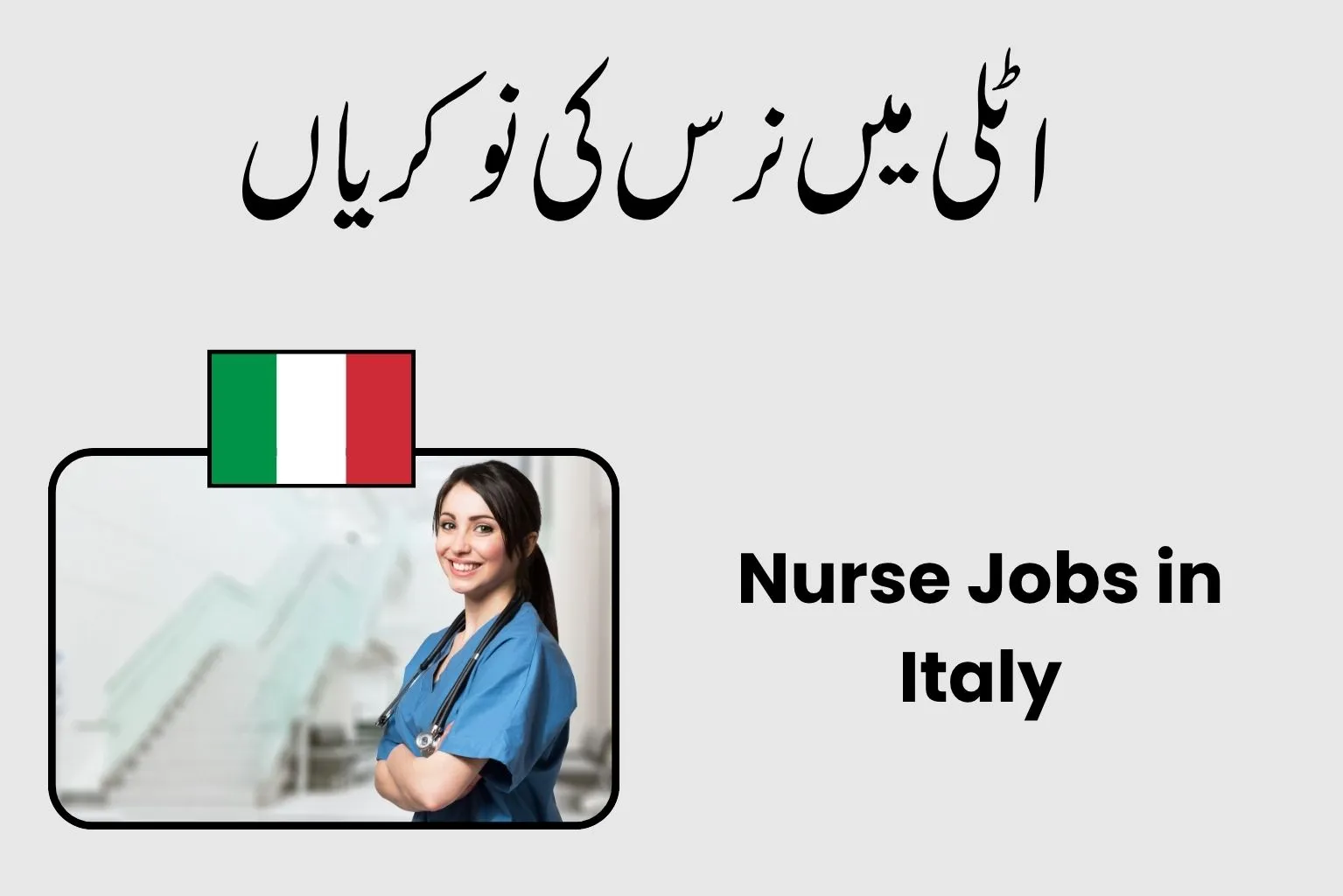
Nurse jobs in Italy are an attractive option for qualified healthcare professionals looking to build an international career in Europe. Italy has a large healthcare system that includes public hospitals, private clinics, rehabilitation centers, residential care facilities, home-care services and specialist medical institutions.
For foreign nurses, however, getting a job in Italy involves more than simply finding a vacancy. Nursing is a regulated healthcare profession, so candidates with qualifications obtained outside Italy generally need to have their professional qualification recognized before they can legally practise as nurses. The Italian Ministry of Health provides a specific recognition procedure for nurses whose professional qualifications were obtained outside the EU.
The good news is that nursing offers several career paths, competitive employment conditions and opportunities to specialize. Italy’s healthcare collective agreement also provides for a 13th monthly payment and specific nursing allowances for eligible public-sector employees.
This guide explains nurse jobs in Italy, expected salaries, qualifications, language requirements, professional recognition, visa procedures and practical ways to find legitimate vacancies.
Why Consider Nurse Jobs in Italy?
Italy can be an appealing destination for nurses for several reasons:
- Established public and private healthcare systems
- Opportunities in hospitals, clinics and residential care
- Possibility of specialization in different nursing fields
- Long-term career development
- 13th-month salary in applicable employment contracts
- Additional allowances for certain shifts and responsibilities
- Opportunities for qualified foreign healthcare professionals
- European work experience
- Potential opportunities in both northern and southern regions
The Italian healthcare sector includes hospitals and healthcare organizations that require nurses for day, evening, night and weekend shifts. The latest national healthcare collective agreement also recognizes nursing-specific allowances and shift-related compensation.
Types of Nurse Jobs Available in Italy
Nurses can work in several healthcare environments. Your opportunities will depend on your qualification, professional recognition, Italian-language ability and experience.
| Position | Typical Workplace | Indicative Gross Salary* |
|---|---|---|
| Registered Nurse / Infermiere | Hospitals and clinics | €24,000–€34,000/year |
| Hospital Staff Nurse | Public/private hospitals | €25,000–€36,000/year |
| ICU Nurse | Intensive care units | €28,000–€40,000/year |
| Emergency Nurse | Emergency departments | €27,000–€40,000/year |
| Operating Room Nurse | Surgical departments | €27,000–€40,000/year |
| Pediatric Nurse | Children’s hospitals/clinics | €25,000–€36,000/year |
| Geriatric Nurse | Elderly-care facilities | €24,000–€34,000/year |
| Rehabilitation Nurse | Rehabilitation centers | €24,000–€35,000/year |
| Home Care Nurse | Patients’ homes | €24,000–€36,000/year |
| Mental Health Nurse | Psychiatric facilities | €25,000–€37,000/year |
| Nursing Coordinator | Hospitals/health facilities | €32,000–€45,000+ |
*Salary figures are indicative gross ranges rather than guaranteed offers. Actual pay depends on the employer, collective agreement, region, experience, specialty, shifts, overtime and allowances.
For public-sector employment, the national healthcare collective agreement places nurses within the “health professionals and officials” area. The agreement sets a basic annual salary of €24,918.93 from 2024 for that area, paid over 12 months plus a 13th payment, with additional nursing-specific allowances.
Specialist nurses working nights, weekends, emergency services or positions involving additional responsibilities may receive extra compensation according to their contract and employer.
Nurse Salary in Italy
Salary is one of the most important considerations for international nurses.
A newly employed nurse may start toward the lower end of the applicable salary scale, while experienced nurses and specialists can earn more. ICU, emergency, operating-room and coordination positions can offer higher total compensation when professional experience and allowances are considered.
Public Healthcare Sector
Italy’s public healthcare employment is governed by collective agreements. The latest CCNL Comparto Sanità 2022–2024 was definitively signed in October 2025. ARAN reports an average monthly increase of €172 for 13 monthly payments across the covered workforce.
The contract also provides a nursing-specific allowance. For nurses and pediatric nurses in the relevant professional area, the nursing specificity allowance was set at €87.79 per month from January 2025, in addition to the applicable salary and other contractual components.
Private Healthcare
Private hospitals, clinics, nursing homes and healthcare companies can have different salary structures. Before accepting an offer, candidates should check:
- Gross annual salary
- Number of monthly payments
- Working hours
- Night-shift allowance
- Overtime rates
- Weekend and holiday payments
- Accommodation, if offered
- Meals or meal allowance
- Contract type
- Probation period
- Paid vacation
- Social security contributions
Always compare the gross salary with the expected net salary after taxes and social contributions.
Where Can Nurses Work in Italy?
Nurses are employed across different healthcare environments.
1. Public Hospitals
Public hospitals are among the most important employers. Nurses may work in:
- Medical wards
- Surgical wards
- Intensive care
- Emergency departments
- Cardiology
- Oncology
- Neurology
- Pediatrics
- Orthopedics
- Maternity services
2. Private Hospitals and Clinics
Private healthcare organizations may recruit nurses for general and specialist care. Recruitment procedures and employment conditions vary between employers.
3. Elderly Care Facilities
Italy has many residential and long-term care facilities serving older people. Nurses working in these facilities may provide medication management, monitoring, wound care and general nursing support.
4. Home Healthcare
Home-care nurses visit patients at their residences. This can be an attractive career path for nurses who prefer working outside a traditional hospital environment.
5. Rehabilitation Centers
Rehabilitation nurses work with patients recovering from injuries, surgery, neurological conditions and other medical problems.
6. Specialized Departments
Experienced nurses can pursue positions in:
- Intensive care
- Emergency medicine
- Operating rooms
- Oncology
- Dialysis
- Cardiology
- Pediatrics
- Mental health
- Geriatrics
Requirements for Nurse Jobs in Italy
The exact requirements depend on the employer and your nationality, but international applicants should generally prepare for the following.
Educational Qualification
You normally need a recognized nursing qualification that allows you to practise as a nurse in the country where it was obtained.
The Italian Ministry of Health states that qualifications obtained outside the EU must undergo a recognition process before the holder can practise the corresponding regulated healthcare profession in Italy.
Professional Registration
Once the qualification is recognized and other requirements are satisfied, nurses generally need to complete the applicable professional registration requirements in Italy.
Italian Language
Italian is extremely important for nursing.
Nurses communicate directly with:
- Patients
- Doctors
- Family members
- Pharmacists
- Other nurses
- Hospital administrators
You should therefore aim for strong working-level Italian. Employers may have their own language requirements, and candidates should verify the exact requirement in each vacancy.
Professional Experience
Experience is not always mandatory for entry-level positions, but it can significantly improve your chances, particularly for specialist jobs.
Experience in ICU, emergency medicine, surgery, geriatrics or other specialties can be valuable.
Recognition of a Foreign Nursing Qualification
This is one of the most important steps for non-Italian nurses.
The Italian Ministry of Health has a specific procedure for recognition of nursing qualifications obtained in non-EU countries. The application requires the relevant form and supporting documentation.
The Ministry states that, after assessment, the outcome may be:
- Recognition of the qualification
- Recognition subject to a compensatory measure
- Rejection of the application
The Ministry’s current information states that the recognition procedure for a complete nursing application takes approximately four months. A €16 stamp duty is also specified for the application.
Italian Ministry of Health – Nurse Qualification Recognition
The Ministry also provides an online system for preparing recognition applications.
Italian Ministry of Health – Qualification Recognition Application Portal
Important
Do not assume that a nursing degree from another country automatically gives you permission to work as a nurse in Italy. Professional recognition and immigration permission are separate issues.
Even if a non-EU qualification has previously been recognized in another EU country, Italy applies its rules for qualifications originally obtained outside the EU.
Documents You May Need
Prepare your documents early because recognition and employment procedures can require extensive paperwork.
Common documents may include:
- Valid passport
- Nursing diploma or degree
- Academic transcripts
- Detailed training information
- Professional registration/license
- Certificate of professional status or good standing, where applicable
- Employment certificates
- Curriculum vitae
- Proof of professional experience
- Identity documents
- Certified copies of qualifications
- Italian translations where required
- Recognition application forms
- Passport photographs
- Other documents requested by the Italian authorities
The exact documentation depends on the country where your qualification was obtained and the specific recognition route. Always follow the current Ministry of Health checklist rather than relying on a generic document list.
How to Find Nurse Jobs in Italy
There are several reliable ways to search for vacancies.
1. EURES
EURES is the European employment network and provides information about working conditions and job opportunities in European countries.
EURES – Living and Working in Italy
EURES notes that jobseekers can use public employment services, private employment agencies and online searches. It also identifies Italy’s Cliclavoro portal as a source of vacancies.
2. Cliclavoro
Cliclavoro – Italian Ministry of Labour Job Portal
Search using Italian terms such as:
infermiereinfermiere professionaleinfermiere ospedaleinfermiere terapia intensivainfermiere pediatricoinfermiere RSAinfermiere domiciliare
3. Hospital and Healthcare Websites
Many Italian hospitals and local health authorities publish vacancies through their official websites. Search for the Italian term “concorsi infermiere” when looking for public-sector recruitment competitions.
4. Private Job Portals
Private employment websites can also be useful. However, verify the employer before providing personal documents or paying any recruitment-related fees.
Step-by-Step Guide to Apply for Nurse Jobs in Italy
Step 1: Check Your Nursing Qualification
Confirm that your nursing education and professional registration meet the requirements for recognition in Italy.
Step 2: Improve Your Italian
Start learning Italian before applying. Strong communication skills can make a major difference during interviews and once you begin working.
Step 3: Prepare Your Documents
Collect your diploma, transcripts, registration documents, work certificates, passport and other required paperwork.
Step 4: Apply for Qualification Recognition
If your qualification was obtained outside the EU, follow the Italian Ministry of Health recognition procedure for nurses.
Step 5: Prepare an Italian CV
Create a professional CV that clearly shows:
- Nursing qualification
- Years of experience
- Specialization
- Hospital departments
- Clinical skills
- Certifications
- Language skills
- Professional registration
- Contact information
Step 6: Search for Vacancies
Use EURES, Cliclavoro, healthcare organizations, hospitals and reputable recruitment agencies.
Step 7: Apply Directly
Submit your CV and required documents through the employer’s official recruitment system whenever possible.
Step 8: Complete the Interview
International employers may conduct interviews online. Be prepared to discuss clinical experience, patient care, medications, teamwork, emergency procedures and your ability to communicate in Italian.
Step 9: Receive a Job Offer
Before accepting, carefully check the contract, salary, work schedule, location, accommodation arrangements and other conditions.
Step 10: Complete Immigration Procedures
Non-EU applicants must also obtain the appropriate authorization and visa to work legally in Italy.
Visa Requirements for Non-EU Nurses
A professional qualification does not by itself give a non-EU citizen the right to enter Italy for employment.
For ordinary subordinate employment, the employer generally plays an important role in the immigration process by requesting the Nulla Osta (work authorization) from the Italian immigration authorities. Italian diplomatic missions explain that the employment visa process requires the employer to obtain this authorization through the Sportello Unico per l’Immigrazione.
Italy’s 2026–2028 immigration program provides annual quotas for legal foreign-worker entry. For 2026, the government authorized 76,200 entries for non-seasonal subordinate employment, alongside other categories. Applications under the 2026 program can continue until December 31, 2026, subject to available quotas.
However, applicants should not assume that every nursing vacancy automatically qualifies for a particular quota or visa route. The employer and immigration authorities determine the applicable procedure.
A typical employment route may involve:
- Obtaining a genuine job offer
- Employer submitting the required work authorization request
- Issuance of the Nulla Osta
- Applying for the appropriate Italian long-stay employment visa
- Entering Italy
- Completing the required residence/immigration formalities
- Completing professional registration and employer requirements
The Italian Embassy in Islamabad publishes subordinate-work visa requirements, including the visa application form, photograph, valid travel document and Nulla Osta.
Embassy of Italy in Islamabad – Visa Information
Skills That Can Help You Get Hired
Employers may value nurses who demonstrate:
- Patient assessment skills
- Medication administration
- Wound care
- Infection-control knowledge
- Emergency response
- Clinical documentation
- Teamwork
- Communication
- Patient education
- Time management
- Computer skills
- Ability to work shifts
- Adaptability
- Professional ethics
Specialized experience can make your CV stronger, especially in ICU, emergency, surgery, oncology, dialysis and elderly care.
Best Regions for Nursing Opportunities
Nursing opportunities can be found throughout Italy. Major urban and industrial areas often have large healthcare networks and private healthcare providers.
Potential locations include:
- Lombardy
- Lazio
- Emilia-Romagna
- Veneto
- Piedmont
- Tuscany
- Liguria
- Campania
- Sicily
- Sardinia
Do not choose a region based only on salary. Consider the cost of housing, transportation, availability of healthcare employers and the specific contract being offered.
How to Avoid Nurse Job Scams
International healthcare recruitment attracts scammers, so applicants should be careful.
Be cautious if a recruiter:
- Guarantees a visa without an employer
- Promises instant qualification recognition
- Requests large upfront recruitment fees
- Uses an unofficial email address
- Refuses to provide a written job contract
- Asks for passport documents before verifying the employer
- Claims that Italian language skills are unnecessary for all nursing jobs
- Promises an unusually high salary with no experience
- Pressures you to transfer money quickly
Verify the employer through its official website and confirm professional-recognition information through the Italian Ministry of Health.
Frequently Asked Questions
1. Can foreign nurses work in Italy?
Yes. Foreign nurses can work in Italy if they satisfy the applicable professional-recognition, registration and immigration requirements. Nurses with qualifications obtained outside the EU generally need recognition from the competent Italian authority before practising the profession.
2. How much does a nurse earn in Italy?
A broad indicative range for employed nurses can be around €24,000–€40,000+ gross annually, depending on experience, specialty, employer, shifts and allowances. Public-sector salaries are governed by collective agreements, while private-sector salaries can differ.
3. Is Italian language required for nurses?
Strong Italian is highly important because nurses communicate directly with patients, doctors and other healthcare professionals. The exact language requirement varies by employer and recruitment route.
4. Do non-EU nurses need qualification recognition?
Yes, in general. The Italian Ministry of Health requires recognition of professional qualifications obtained outside the EU before the corresponding regulated healthcare profession can be practised in Italy.
5. Can an employer sponsor a foreign nurse?
An Italian employer can participate in the employment immigration process for eligible non-EU workers. For subordinate employment, the employer generally applies for the required Nulla Osta through the Italian immigration system before the worker applies for the appropriate visa.
6. How long does nursing qualification recognition take?
The Italian Ministry of Health states that the nurse qualification recognition procedure takes approximately four months from submission of a complete application. Missing documentation can require additional steps, so actual timelines can vary.
Conclusion
Nurse jobs in Italy can provide qualified healthcare professionals with an opportunity to develop an international career in hospitals, clinics, elderly-care facilities, rehabilitation centers, home healthcare and specialist departments.
The most important thing for foreign nurses is to understand that finding a job and becoming legally authorized to practise are two separate processes. Candidates with non-EU qualifications should begin by checking the Italian Ministry of Health’s professional-recognition requirements, while non-EU citizens should also investigate the appropriate employment immigration and visa procedure.
A strong Italian-language ability, recognized nursing qualification, relevant clinical experience and a well-prepared CV can significantly improve your chances of finding suitable employment.
Start by preparing your professional documents, checking qualification-recognition requirements, searching legitimate vacancies and applying directly to reputable healthcare employers. With careful preparation and patience, Italy can be a worthwhile destination for nurses seeking European healthcare experience and long-term career opportunities.