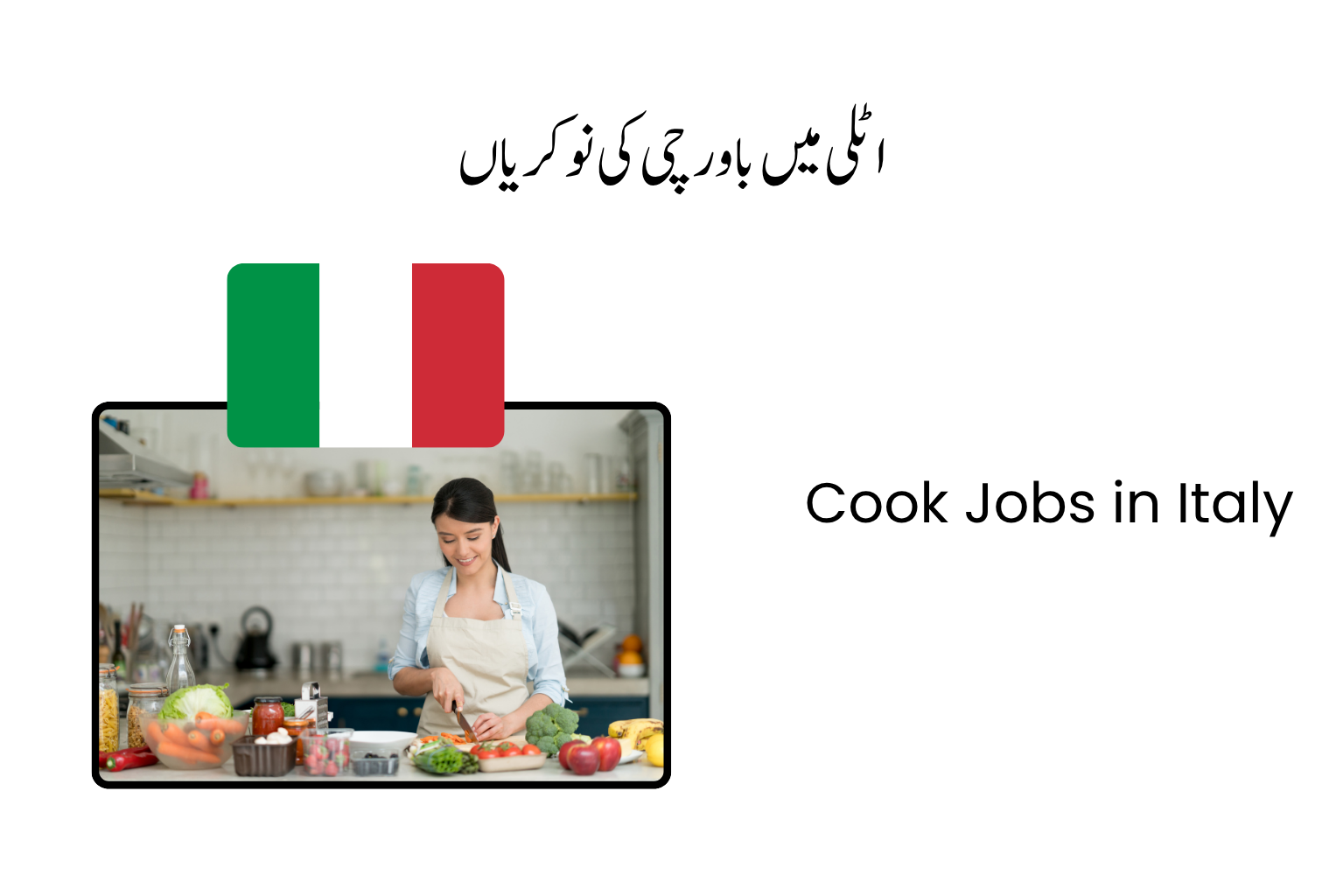
Cook Jobs in Italy
Italy is famous for its world-renowned cuisine, vibrant hospitality industry, and thriving tourism sector. As restaurants, hotels, cafes, resorts, and catering companies continue to expand, the demand for skilled cooks and kitchen professionals remains strong. For foreigners seeking employment opportunities abroad, cook jobs in Italy can offer stable income, career growth, and valuable international experience.
Whether you are an experienced chef or someone looking to start a career in the food industry, Italy provides numerous opportunities across different sectors. This guide explains everything you need to know about cook jobs in Italy, including salaries, requirements, visa procedures, and application methods.
Why Choose Cook Jobs in Italy?
Working as a cook in Italy offers several advantages:
- High demand in restaurants and hotels.
- Opportunities to learn authentic Italian cuisine.
- Competitive salaries and overtime benefits.
- Possibility of long-term employment.
- Exposure to international culinary standards.
- Career advancement from assistant cook to executive chef.
- Experience working in one of the world’s leading food cultures.
Italy’s tourism industry attracts millions of visitors every year, creating continuous demand for hospitality workers.
Types of Cook Jobs Available in Italy
The hospitality sector offers various positions depending on experience and specialization.
| Position | Average Monthly Salary |
|---|---|
| Kitchen Helper | €1,100 – €1,400 |
| Assistant Cook | €1,200 – €1,600 |
| Line Cook | €1,400 – €1,900 |
| Pizza Chef | €1,600 – €2,300 |
| Pastry Chef | €1,700 – €2,500 |
| Restaurant Cook | €1,500 – €2,200 |
| Hotel Cook | €1,700 – €2,600 |
| Sous Chef | €2,200 – €3,200 |
| Head Chef | €3,000 – €5,000 |
| Executive Chef | €4,000 – €7,000 |
Actual salaries depend on experience, location, employer, and working hours.
Popular Employers Hiring Cooks in Italy
Many sectors regularly recruit kitchen staff, including:
Restaurants
- Italian restaurants
- Fine dining establishments
- Family-owned eateries
- International cuisine restaurants
Hotels
- Luxury hotels
- Resorts
- Boutique hotels
- Holiday villages
Cafes and Bakeries
- Coffee shops
- Pizzerias
- Pastry shops
Catering Companies
- Corporate catering services
- Event catering businesses
- Wedding catering companies
Cruise Lines and Resorts
Seasonal tourism creates additional opportunities for foreign workers.
Duties and Responsibilities of a Cook
Typical responsibilities include:
- Preparing meals according to recipes.
- Maintaining food quality standards.
- Managing kitchen inventory.
- Cleaning and organizing workstations.
- Following hygiene and safety regulations.
- Preparing sauces, meats, vegetables, and desserts.
- Collaborating with other kitchen staff.
- Ensuring timely food service.
Skills Required for Cook Jobs in Italy
Employers generally look for candidates who possess:
Technical Skills
- Food preparation techniques
- Knife handling
- Baking and grilling knowledge
- Knowledge of Italian cuisine
- Food safety procedures
Soft Skills
- Teamwork
- Communication skills
- Time management
- Attention to detail
- Ability to work under pressure
Knowledge of Italian language is beneficial but not always mandatory, especially in international hotels and tourist areas.
Eligibility Criteria
To work legally in Italy, applicants generally need:
- Minimum age of 18 years.
- Valid passport.
- Relevant work experience.
- Educational qualifications (preferred).
- Good health condition.
- Clean criminal record.
- Employment offer from an Italian employer.
Non-EU citizens require a work visa and work authorization before entering Italy.
Documents Required
Applicants may need the following documents:
- Valid passport.
- Updated CV or Europass resume.
- Passport-size photographs.
- Educational certificates.
- Experience certificates.
- Reference letters.
- Employment contract or job offer.
- Work authorization (Nulla Osta).
- Medical insurance.
- Police clearance certificate.
Italian consulates require supporting documentation and a valid passport during visa processing.
Italy Work Visa Requirements
Foreign workers outside the European Union must obtain:
- A job offer from an Italian employer.
- Work authorization (Nulla Osta).
- A national work visa.
- Residence permit after arriving in Italy.
Italy operates an annual quota system known as the Decreto Flussi. The employer submits the work permit application through the Italian immigration authorities.
After entering Italy, workers must apply for a residence permit within eight days.
Step-by-Step Guide to Apply for Cook Jobs in Italy
Step 1: Prepare Your Resume
Create a professional CV highlighting:
- Cooking experience.
- Certifications.
- Language skills.
- Previous employers.
- Special culinary skills.
Step 2: Search for Vacancies
Useful job websites include:
EURES European Job Portal
Indeed Italy
LinkedIn Jobs
InfoJobs Italy
Glassdoor
Step 3: Submit Applications
Apply directly through:
- Employer websites.
- Hotel chains.
- Restaurant groups.
- Recruitment agencies.
- Online job portals.
Step 4: Attend Interviews
Interviews may be conducted:
- Online via Zoom or Teams.
- By phone.
- In person.
Questions usually focus on:
- Previous experience.
- Culinary specialties.
- Availability.
- Language proficiency.
Step 5: Receive Job Offer
Once selected, the employer starts the process for obtaining the work permit (Nulla Osta).
Step 6: Apply for an Italian Work Visa
You can obtain information and forms through:
Step 7: Travel to Italy and Obtain Residence Permit
Upon arrival, workers must apply for a residence permit.
Benefits Offered by Employers
Many employers provide:
- Accommodation assistance.
- Meals during working hours.
- Paid holidays.
- Overtime pay.
- Health insurance.
- Bonuses.
- Career progression opportunities.
Seasonal resorts and hotels may also provide free housing.
Best Cities for Cook Jobs in Italy
Popular destinations include:
- Rome
- Milan
- Venice
- Florence
- Naples
- Bologna
- Turin
- Verona
- Rimini
- Palermo
Tourist regions usually have higher demand for hospitality professionals.
Career Growth Opportunities
A cook can gradually advance to:
- Kitchen Helper
- Assistant Cook
- Line Cook
- Senior Cook
- Sous Chef
- Head Chef
- Executive Chef
- Restaurant Manager
Experience in Italy can also open doors to jobs across Europe.
Frequently Asked Questions (FAQs)
1. Can foreigners apply for cook jobs in Italy?
Yes. Foreign workers can apply if they receive a valid job offer and meet visa requirements.
2. Is Italian language mandatory?
Not always. Many employers prefer basic Italian skills, but some international establishments hire English-speaking workers.
3. How much do cooks earn in Italy?
Most cooks earn between €1,400 and €2,600 per month, while experienced chefs can earn over €5,000 monthly.
4. Is accommodation provided?
Some hotels, resorts, and seasonal employers provide accommodation and meals.
5. Do I need experience?
Experience is preferred, but entry-level kitchen helper positions are available for beginners.
6. Where can I find genuine jobs?
Reliable sources include:
- EURES Job Portal
- Indeed Italy
- InfoJobs Italy
- Employer websites
Avoid agencies that ask for large upfront payments, as fraudulent offers do exist. Community discussions frequently warn job seekers against paying for jobs.
Conclusion
Cook jobs in Italy provide an excellent opportunity for individuals who want to build a career in the hospitality industry while experiencing one of the world’s most celebrated culinary cultures. With strong demand across restaurants, hotels, and resorts, qualified workers can enjoy competitive salaries, career advancement, and international work experience.
If you possess cooking skills and are interested in working abroad, now is a great time to start preparing your resume and applying through reputable job portals. With proper documentation and the right employer, a rewarding culinary career in Italy could be within reach.